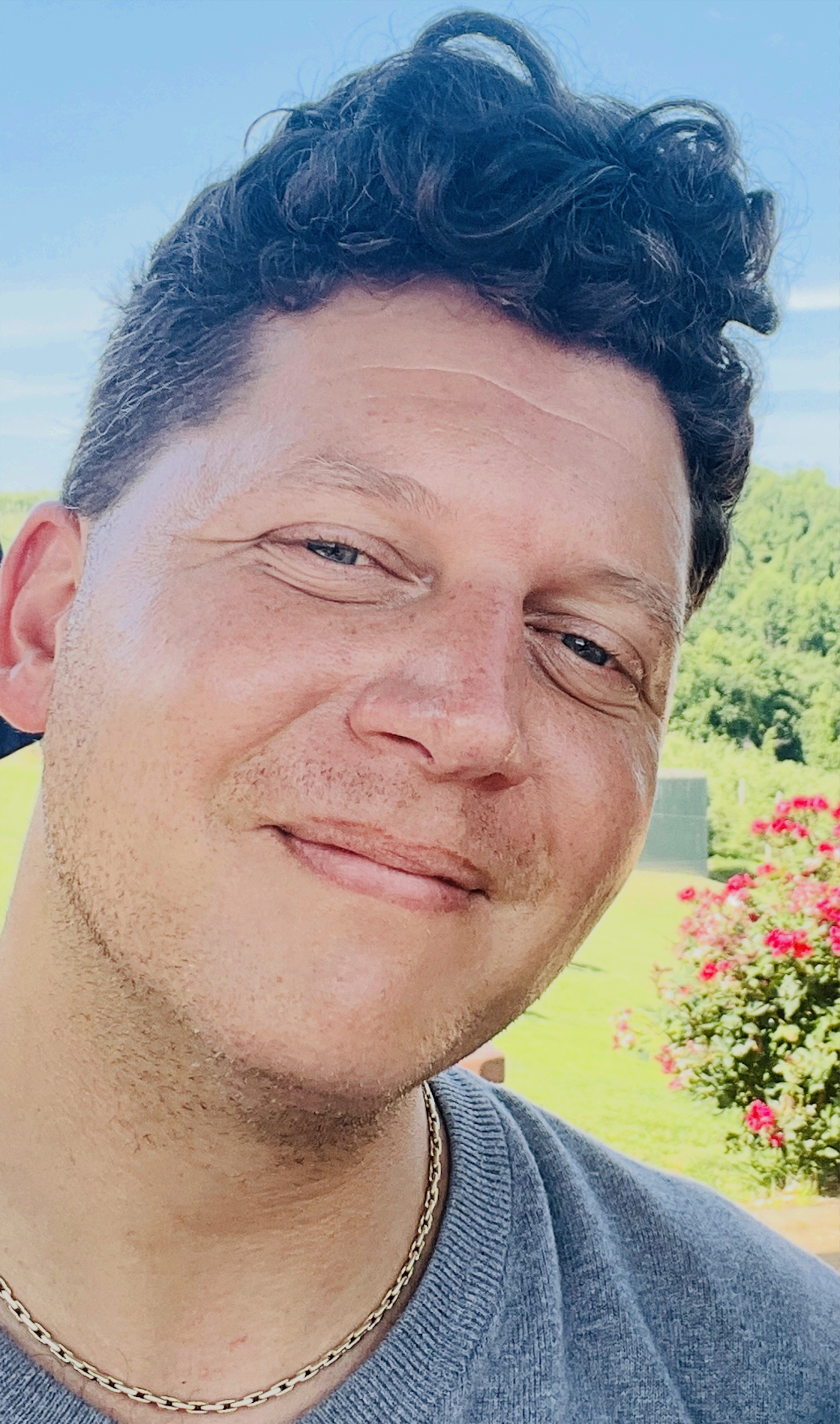
I am a social and cultural historian of the French colonial world, working comparatively across Creole spaces in Africa’s Indian Ocean islands, North America, and the Caribbean.
My research and teaching focus on places (and people) considered “marginal” to the histories of empires–they’re actually especially revealing of the processes that made and sustained them. My first book follows the shifting politics of race on Réunion Island in the Indian Ocean, showing how a colony often treated as peripheral to the French and Haitian Revolutions was deeply implicated in the transformations they set in motion. My work on the memoirs of a globetrotting sailor from Mauritius, a neighbor to Réunion and another French island, explores what it meant to call oneself “Creole” in a maritime world remade by those revolutions. My latest book project documents the scope and scale of an understudied phenomenon on both islands and, more generally, across the French colonial world: slaveholding by Catholic orders and congregations. Beyond reconstructing the daily lives and resistance strategies of the thousands who labored on missionary-run plantations in the latter third of the eighteenth century, the project examines their relationships with the clergy who enslaved them and traces what happened to them when revolutionary governments declared them “national property.”
I teach history at the University of Arkansas at Little Rock (in a region whose own Creole history has often been treated as “marginal”), where I work with students to connect local histories to global processes through archival research and to bring our findings, and the new questions they raise, to audiences beyond the classroom. As it happens, doing history “from the margins”—social and geographical—does more than make our scholarship richer; it can help us rethink the ways the past figures in the stories we tell about our communities.
The Natural State is my adoptive home. I am originally from the Piscataqua River region, between coastal New Hampshire and southern Maine, where I first learned the power of history to foster a more meaningful sense of place.